8 min read · 2026-03-25
Amsterdam Light Festival Photography Guide
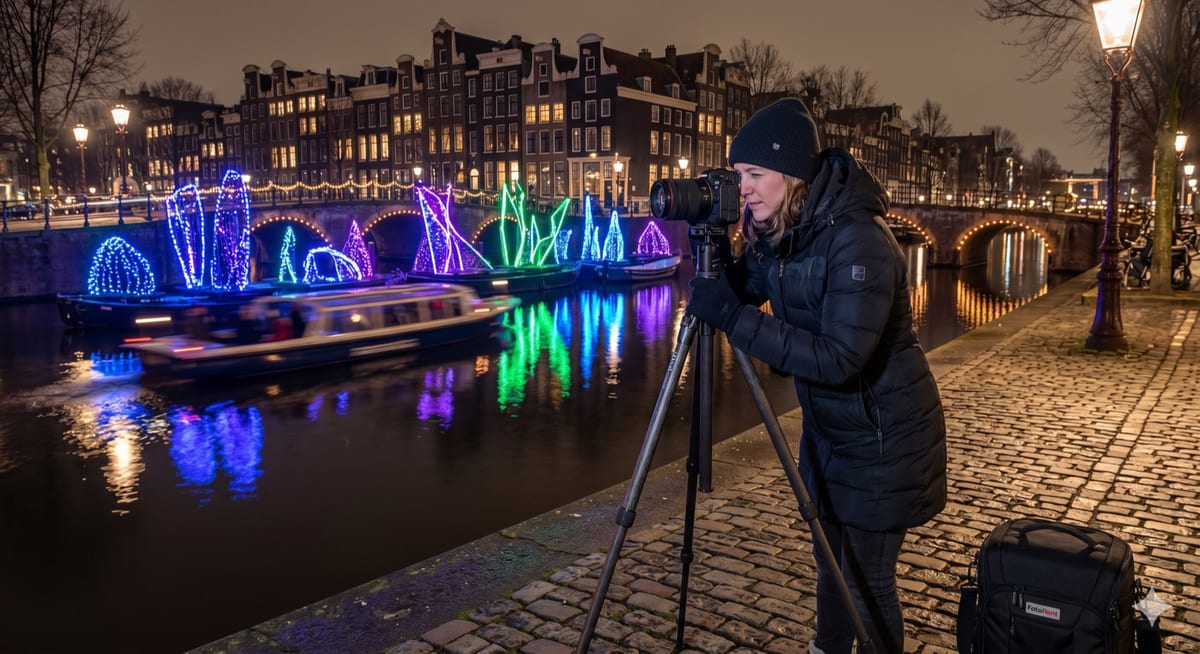
Capturing the Amsterdam Light Festival requires more than just a camera; it demands the right gear and knowledge of the environment. The low light conditions on the canals present unique challenges that standard kit cannot handle alone. You need fast lenses and sturdy support to freeze motion while keeping the ISO manageable. This is where FotoRent becomes essential for your setup. We provide professional equipment that allows you to focus on composition rather than worrying about gear limitations. Whether you are shooting from a boat or the banks, having access to high-quality optics makes a significant difference in your final images. Our rental service ensures you have the tools needed to handle the specific demands of night photography in Amsterdam. Don't let poor equipment ruin your shot; prepare with the right lens and support system before heading out to the canals.
Top Locations for Low Light Photography
Finding the best photo spots Amsterdam Light Festival offers is crucial for avoiding crowds and capturing unique angles. Start at the Prinsengracht near the Oude Kerk, where the architecture frames the lights perfectly. This location works well for wide-angle shots that include the canal reflections. Move to the Keizersgracht near the NDSM Wharf for industrial backdrops that contrast with the soft light installations. These areas provide depth and texture to your images. Avoid the most crowded bridges during peak hours if you want cleaner compositions. Instead, explore the quieter side streets that lead to the canals. The light from the installations changes throughout the night, so scout your spots early. Bring a tripod to stabilize your camera during long exposures. Use a remote shutter release to prevent camera shake. Check the weather forecast; rain can create interesting reflections but also reduce visibility. Plan your route to minimize walking in the dark. Safety is important when navigating the canal banks at night. Keep your gear secure and accessible. The best photo spots often require a bit of exploration to find the perfect vantage point without stepping on other photographers' toes. Use a wide aperture to gather as much light as possible in these darker areas. Focus on the interplay between the artificial lights and the natural moonlight if the sky is clear.
Essential Gear for Night Photography Tips
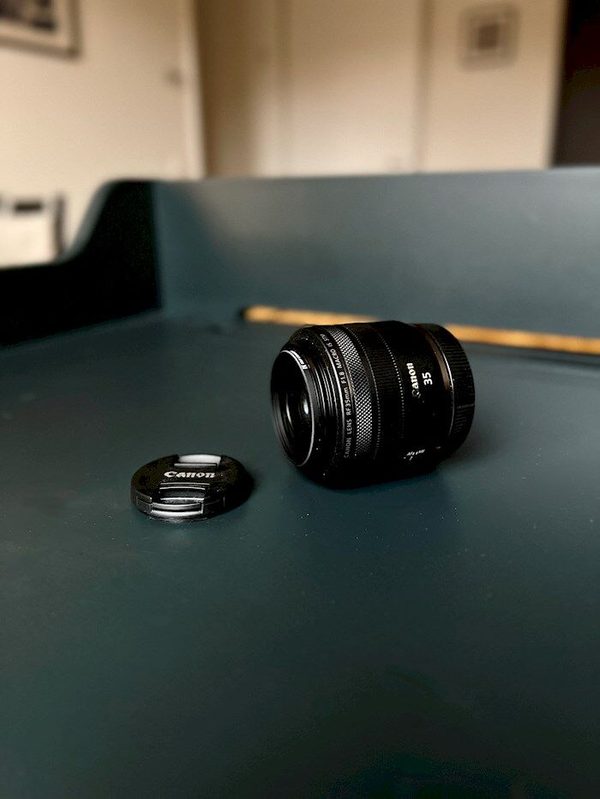
Your equipment choices define the quality of your night photography tips implementation. A fast prime lens is non-negotiable for low light photography Amsterdam scenarios. The Canon RF35 F1.8 Macro IS STM is an excellent choice for this environment. Its wide aperture lets in significant light, allowing for faster shutter speeds to freeze moving boats or pedestrians. The macro capability adds versatility for close-up details of light fixtures or reflections. Image stabilization helps when shooting handheld in dim conditions, though a tripod remains superior for static shots. A sturdy tripod is mandatory for long exposures to capture smooth water reflections. Use a remote shutter or intervalometer to avoid touching the camera. A high-quality memory card with fast write speeds prevents missing shots during bursts. Carry a portable battery pack; cold nights drain batteries quickly. A lens hood protects against stray light and rain. A rain cover or plastic bag keeps your gear dry during unexpected showers. Bring a headlamp with a red light mode to preserve night vision while navigating. Keep your camera warm in your jacket pocket to prevent condensation when moving between cold and warm environments. Clean your sensor before shooting to avoid dust spots in long exposures. These practical steps ensure your gear performs reliably. Do not rely on digital zoom; get closer or use a wider lens. The Canon RF35 F1.8 Macro IS STM from €15.00/day at FotoRent offers the perfect balance of size and performance for this event.
Canal Photography Amsterdam Techniques
Canal photography Amsterdam requires specific techniques to handle reflections and moving water. Compose your shot with the horizon level to avoid tilted reflections. Use a polarizing filter to reduce glare from water surfaces if the sun is still up, though at night, focus on managing light pollution. Adjust your white balance manually to match the color temperature of the festival lights. The blue and purple tones dominate the scene; set your Kelvin temperature accordingly. Use manual mode to control exposure precisely. Bracket your exposures to capture highlights and shadows in a single image or for HDR blending. Focus on the brightest part of the scene, then switch to manual focus to maintain sharpness. Use a low ISO to reduce noise, compensating with a slower shutter speed if the tripod is secure. If shooting handheld, increase your ISO slightly to allow for a faster shutter speed that freezes motion. Watch out for boat wakes; they can blur your foreground. Position yourself on the bank rather than a boat for stability. Use a remote trigger to shoot from a distance safely. Review your images on the back screen in bright light to check exposure. Adjust settings between shots as the light changes. The interplay of light and shadow creates depth. Look for leading lines along the canal edges. Avoid shooting directly into bright light sources to prevent blown-out highlights. Protect your lens from water splashes. These techniques will improve your canal photography Amsterdam results significantly. Practice these methods before the festival to build confidence.
Managing Crowds and Safety
Managing crowds is a critical part of successful Amsterdam Light Festival photography. Large groups block views and create safety hazards. Scout your locations early in the evening before the main crowds arrive. Return to popular spots later when the density decreases. Use a longer lens to compress the scene and shoot from a distance if you cannot get closer. This allows you to capture details without being in the thick of the crowd. Keep your gear compact and easy to carry. A bulky tripod can be cumbersome in tight spaces. Use a monopod if you need mobility while maintaining stability. Be aware of your surroundings to avoid tripping hazards or falling into the canal. The banks can be slippery when wet. Wear shoes with good grip. Do not lean over the canal railing; it is dangerous and often prohibited. Respect other photographers' space and equipment. Do not touch lenses or tripods without permission. Follow local regulations regarding drones and lighting. Some areas may have restrictions on flash usage. Use a red light for navigation to avoid disturbing night vision. Keep your phone handy for emergency contacts. Share your location with friends or family. Stay hydrated and warm. The cold wind off the water can be biting. Dress in layers and bring a hat. These precautions ensure you stay safe while capturing great images. Safety always comes first when working in public spaces at night.
Post-Processing Low Light Images
Post-processing low light images requires careful handling to maintain image quality. Import your photos into editing software and start with noise reduction. Do not overdo it, or you will lose detail in the shadows. Adjust the luminance noise slider gently. Color noise is often more distracting; address it separately. Use the clarity and texture tools to bring back definition without introducing artifacts. Correct the white balance to ensure skin tones look natural if people are in the shot. Enhance the contrast slightly to make the lights pop against the dark background. Use the curves tool to recover details in the shadows without blowing out the highlights. Sharpen the image lightly, focusing on the main subject. Avoid sharpening the entire image uniformly. Mask the sharpening to apply it only to edges. Export your files in high quality for printing or web use. Keep a master file with all adjustments for future reference. Batch process similar images to save time. Use presets for consistent looks across your portfolio. Review your work critically to identify areas needing improvement. The Canon RF35 F1.8 Macro IS STM produces clean files that process well. Its optical quality minimizes the need for aggressive correction. Save your edits in a non-destructive format like TIFF or PSD. Organize your files by date and location. Back up your work immediately after the session. These steps ensure your final images look professional. Practice these workflows to speed up your editing process.
Capturing the Amsterdam Light Festival is a rewarding experience with the right preparation. Renting professional gear ensures you are ready for any lighting condition. Book the Canon RF35 F1.8 Macro IS STM from €15.00/day at FotoRent to get started today. Our equipment is maintained to high standards and delivered conveniently to your location. Don't miss the chance to create memorable images this year. Visit our website to reserve your rental slot now. We look forward to helping you document this unique event with professional tools.