6 min read · 2026-04-13
Best Camera for Wedding Photography in Amsterdam
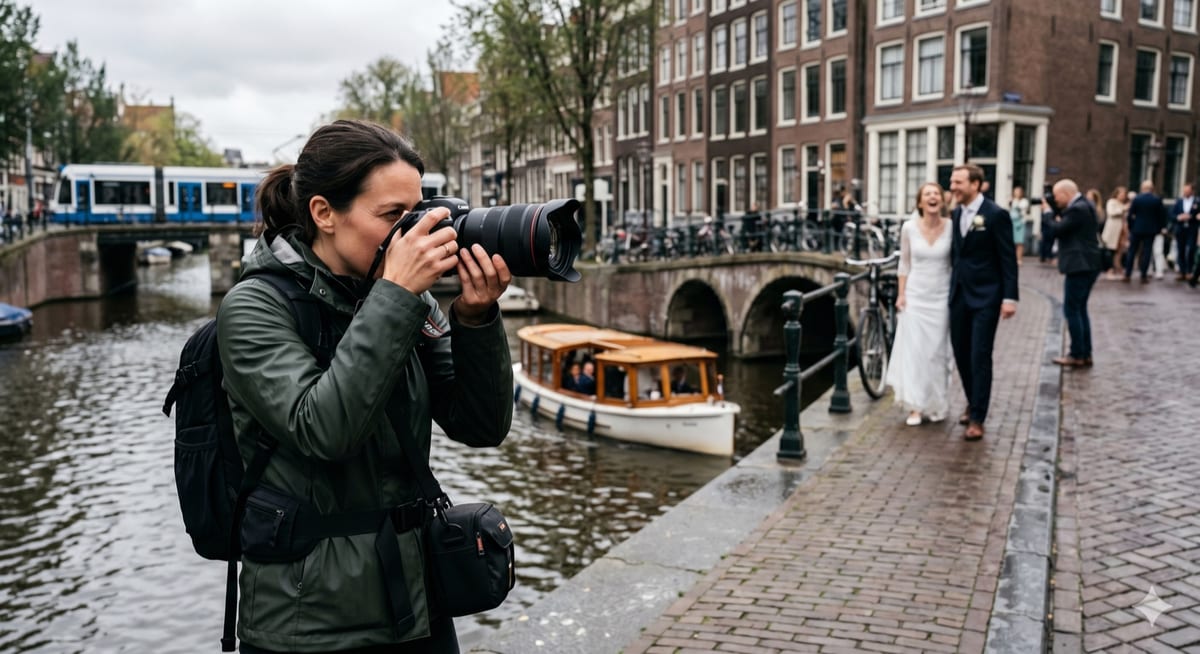
Let's be honest, wedding days in Amsterdam are tricky. You've got grey skies that turn into golden hour faster than you can say 'tulip season', canals reflecting rain, and guests who think a bike ride is better than a dance floor. I've been shooting weddings here for years, and I've learned that gear matters, but knowing your gear matters more. Most people get this wrong by buying expensive kit they'll never use again. Instead, why not rent the best camera for wedding photography from FotoRent? We are located in Diemen, just a short train ride from the city center. It's a no-brainer for freelancers or second shooters who need reliability without the massive upfront cost. You'll get pro-level image quality for a fraction of the price, leaving more budget for that nice suit or a proper breakfast. Stop stressing about gear choices and start focusing on capturing those raw emotions. Let's talk about exactly which bodies and lenses you should consider for your next big day.
Why the Canon R6 Mark II 2 is Your Wedding Workhorse
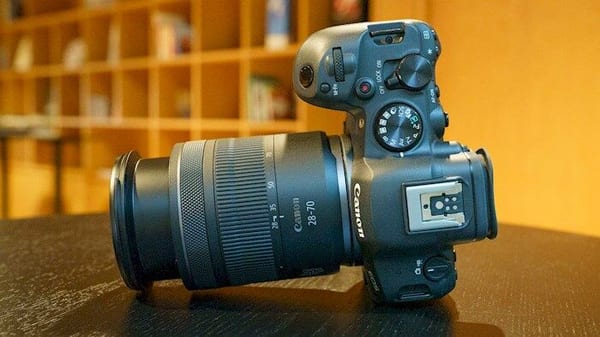
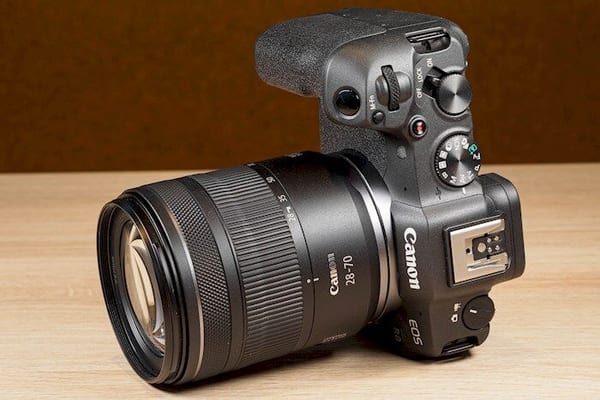
If you are looking for the absolute best camera for wedding photography right now, the Canon R6 Mark II 2 is the one you want. I shot my last winter wedding in the rain, and this body didn't miss a beat. The autofocus is so fast it feels like magic, tracking the bride and groom through tears or laughter without a second thought. It handles low light beautifully, which is crucial when you are shooting inside a historic church or a cozy venue in Amsterdam where the light is often dim. I remember one time the power went out during the reception, and I had to shoot by candlelight. The R6 Mark II 2 handled the ISO noise so well that I could deliver sharp images even in those tough conditions. It's a beast that won't let you down when the pressure is on. Pair it with the 28-70 2.8 KIT lens, and you have a versatile kit that covers everything from wide group shots to intimate portraits. The kit lens is surprisingly sharp for the price, making it a great starting point. Honestly, most people get intimidated by the price tag of full-frame bodies, but renting this specific combo makes it accessible. You get the performance of a top-tier camera without the headache of depreciation. It's reliable, robust, and perfect for the unpredictable Dutch weather.
The Budget-Friendly Powerhouse: Canon R8
Not everyone needs a full-frame monster, and sometimes the best camera for wedding photography is actually the smaller R8. I used the R8 for a small elopement near the Haarlemmermeer, and it delivered images that looked just as good as my full-frame gear. The sensor is incredible, and the color science is right up there with the big boys. It's lighter to carry around all day, which helps if you are walking through the Jordaan district or hopping on a tram. The autofocus system has come a long way, and it locks onto eyes with ease. I once had to shoot a ceremony in a basement with almost no light, and the R8 handled it without issue. It's a fantastic option for second shooters or those on a tighter budget who still want quality. The 28-70mm 2.8 lens for the R8 is a dream to use. It's sharp across the entire frame and lets you capture candid moments without disturbing the couple. You'll find that the R8 is incredibly versatile, handling both wide landscapes and tight indoor spaces. It's not just about having the biggest sensor; it's about having the right tool for the job. If you are worried about weight, this is the answer. It proves you don't need to spend a fortune to get professional results. Just rent it and see for yourself how capable it really is.
Essential Telephoto: The RF 70-200mm f/4
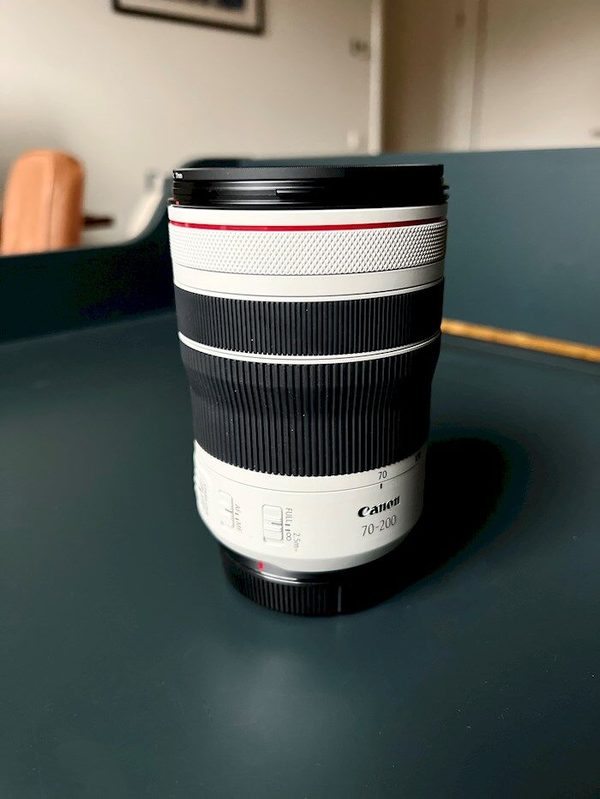
You cannot have a wedding kit without a telephoto lens, and the Canon RF 70-200mm f/4 is the sweet spot for most situations. It's not the fastest lens out there, but it is incredibly sharp and compact. I love using this lens when I need to capture details from a distance, like a father walking his daughter down the aisle or a quiet moment between the couple. The f/4 aperture is fast enough for most indoor venues, even if they aren't huge. I shot a wedding in a narrow canal house where space was tight, and this lens was perfect. It didn't feel like a brick in my hand, and the image stabilization helped keep shots sharp while walking. Most people think they need an f/2.8 lens, but honestly, the f/4 is often better for depth of field control in crowded rooms. It allows you to keep more of the background in focus if needed. The build quality is solid, and it handles the damp Amsterdam air without any issues. Renting this lens is a smart move because it expands your creative options without breaking the bank. You get a versatile telephoto zoom that fits perfectly into any kit. It's a workhorse that gets the job done every single time.
Navigating Amsterdam Light and Weather
Shooting in Amsterdam means dealing with unique light conditions that you won't find anywhere else. The light can be flat and grey for days, then suddenly burst into golden hour within minutes. This is why having a camera with good dynamic range is essential. The Canon bodies mentioned above handle this transition perfectly. I've been caught in sudden rainstorms while waiting for a couple to finish their vows, and my gear kept working. The Dutch light is special, creating soft reflections on the water that can make portraits look ethereal. But you have to be quick to capture it. I once missed a perfect sunset shot because I was fiddling with settings on a slower camera. Speed matters. Also, consider the cultural vibe of the city. Weddings often happen in historic buildings with stone walls that absorb light. You need a sensor that can lift shadows without blowing out highlights. The R6 Mark II 2 excels here. It gives you the flexibility to adapt to changing conditions. Whether you are shooting in the bustling city center or a quiet village in Flevoland, your gear needs to keep up. Don't let the weather stop you from capturing memories. With the right rental equipment, you can handle any scenario thrown at you. It's about preparation and having the right tools ready to go.
Final Thoughts on Renting Gear
Renting photography gear is the smartest way to invest in your business. You get access to top-tier equipment without the risk of buying something that might become obsolete or get stolen. FotoRent Amsterdam makes this easy with our locations in Diemen and near the city. We understand that every wedding is different, and having options is key. You can mix and match bodies and lenses to create the perfect kit for your specific needs. I've seen photographers grow from using entry-level gear to pro setups by simply renting the upgrades they needed for specific shoots. It's a flexible approach that keeps your costs down while your portfolio grows. Don't wait until you have saved enough to buy; start renting today. The Canon R6 Mark II 2 and R8 are both excellent choices depending on your style. Combine them with the RF 70-200mm f/4, and you have a complete setup. This strategy allows you to test new gear before committing to a purchase. It's a practical solution for freelancers who want to stay competitive. Start your journey with us and see the difference quality makes.
Ready to upgrade your kit? Rent the Canon R6 Mark II 2 Plus 28-70 2.8 Kit from €24.00/day at FotoRent Amsterdam. Or grab the Canon R8 Plus 28-70mm 2.8 Lens for €20.00/day. We are located in Diemen, making it easy to pick up your gear before heading to the city. Don't wait, book your rental now and capture your next wedding with confidence. Your clients will thank you for the quality images you deliver.