6 min read · 2026-03-25
Best Portrait Lens Rental Guide for Beginners
Choosing the right glass is essential for capturing sharp, emotive portraits. Whether you are shooting in a studio or on the street, the focal length dictates your perspective and background separation. Many beginners struggle to decide between versatile wide-angle primes or classic telephoto options. At FotoRent, we simplify this decision by offering high-quality equipment that fits every budget. Our inventory includes everything from compact macro lenses to fast telephotos, ensuring you have the perfect tool for your specific shoot. This guide breaks down the technical differences between popular focal lengths so you can rent with confidence. We focus on practical advice, helping you understand how lens choice impacts your composition without overwhelming jargon. By the end of this article, you will know exactly which lens to rent for your next session in Diemen or Amsterdam.
Understanding Focal Lengths for Portraits
When selecting a lens for headshots or full-body portraits, focal length is the primary factor determining background blur and perspective distortion. Shorter focal lengths, like 35mm or 50mm, offer a wider field of view. This makes them excellent for environmental portraits where you want to include the subject's surroundings. However, they require you to step back further to frame the subject, which can sometimes introduce unwanted distortion if not handled carefully. Longer focal lengths, such as 85mm or 135mm, compress the background and create a smoother bokeh. This is ideal for isolating the subject against a busy city backdrop. For beginners, the 50mm is often the first prime lens purchased because it mimics the human eye's natural perspective. It is versatile enough for street photography and indoor events where space is limited. Conversely, the 85mm provides a flattering compression that minimizes facial imperfections. When renting, consider your shooting environment. If you are in a cramped studio, a 50mm might be safer. If you have space and want that classic creamy look, the 85mm is the industry standard. Both options are available at FotoRent, allowing you to test different looks before committing to a purchase.
The 85mm vs 50mm Debate
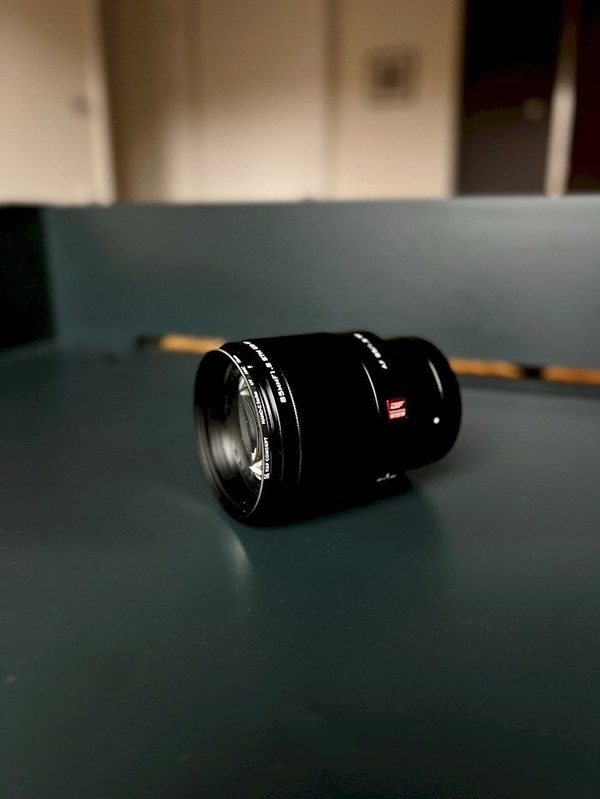
The debate between 85mm and 50mm is one of the most common questions for portrait photographers. The 85mm lens is widely regarded as the gold standard for portraiture. Its longer focal length allows you to stand at a comfortable distance from your subject, avoiding the unflattering perspective distortion that can occur with wider lenses. The background compression creates a dreamy, out-of-focus effect that draws attention directly to the eyes. This lens is particularly effective for fashion and editorial work where isolation is key. On the other hand, the 50mm lens offers incredible versatility. It is often called the 'nifty fifty' because of its affordability and utility. It works well for environmental portraits where context matters. You can capture a subject walking down a street in Amsterdam while keeping them sharp against the background. While the background blur is not as strong as the 85mm, it is still sufficient for most amateur and professional needs. The 50mm is also less likely to cause issues in tight spaces. For a beginner, starting with a 50mm is a smart financial move, but upgrading to an 85mm later yields better results for headshots. At FotoRent, you can rent both to compare the difference firsthand. The Viltrox 85mm offers a fast aperture that rivals much more expensive glass, making it a fantastic rental option for those wanting that telephoto look without the high cost of ownership.
Macro Lenses for Unique Portraits
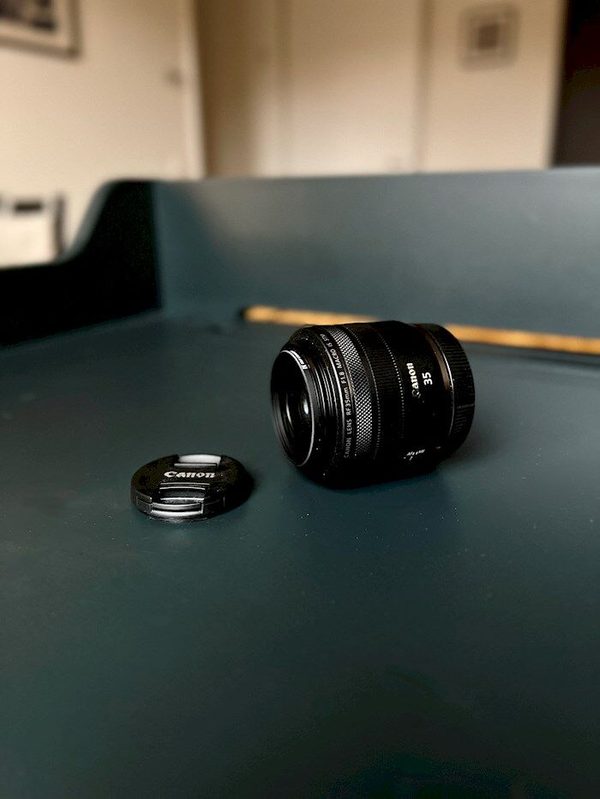
Macro lenses are frequently overlooked by portrait photographers, yet they offer unique creative possibilities. These lenses are designed for extreme close-up work, but their optical characteristics make them exceptional for portraiture. The primary benefit is the ability to get incredibly close to the subject while maintaining a wide aperture. This results in a very shallow depth of field, allowing you to focus on the eyes while rendering the rest of the face and background into soft cream. The perspective distortion at close range can be used creatively to emphasize textures like skin pores or jewelry details. A macro lens also typically has a flat field, meaning the entire image plane is sharp, which is helpful for group shots. The Canon RF35mm F1.8 Macro IS STM is a standout example of this versatility. Despite being a 35mm focal length, it behaves like a 50mm or even 85mm when used at close distances. This makes it perfect for tight indoor spaces where a longer lens cannot fit. The image stabilization on this lens helps when shooting handheld in low light, a common scenario for event photography. Renting a macro lens allows you to experiment with perspectives you cannot achieve with standard primes. It is an excellent way to learn about depth of field control. The Canon RF35 is particularly affordable to rent, offering professional features at a fraction of the cost. This lens is ideal for beginners who want to master focus stacking or create artistic close-ups without investing in expensive dedicated macro glass.
Choosing the Right Aperture for You
Aperture plays a critical role in portrait photography, influencing both the background blur and the amount of light entering the camera. A wide aperture, such as f/1.8 or f/1.4, creates a shallow depth of field. This is desirable for isolating the subject from a busy background. However, it also means you must focus precisely on the eyes, or the rest of the face will fall out of focus. When renting, check the maximum aperture of the lens. The Viltrox 85mm F1.8 offers a fast f/1.8 aperture, which is excellent for low-light conditions and creating that creamy bokeh. A slower aperture, like f/2.8 or f/4, provides a deeper depth of field. This is safer for group portraits where everyone needs to be in focus. It also allows for a larger range of focus distances. For beginners, a lens with a slightly slower aperture can be more forgiving. It reduces the risk of missing focus on the eyes, which is the most common mistake in portrait photography. However, if your priority is artistic isolation, a fast aperture is non-negotiable. At FotoRent, we stock lenses with various apertures to suit different needs. You can rent a fast prime for low-light events or a slower lens for outdoor group shoots. Understanding the trade-off between light gathering and depth of field control is essential. Renting allows you to test different apertures to see which style suits your workflow best before buying.
Practical Tips for Renting Lenses
Renting lenses offers a cost-effective way to access high-quality gear without the financial commitment of purchasing. Before booking, consider the specific requirements of your shoot. Do you need a telephoto for compression, or a wide-angle for context? Check the compatibility of the lens with your camera body. Most modern mirrorless cameras use the RF or E-mount, which are well-represented in our rental inventory. Always inspect the equipment before returning it to ensure it is in good condition. We provide detailed guides on how to clean and maintain your rented gear. Proper care extends the life of the equipment and ensures a smooth rental experience for everyone. When you rent from FotoRent, you get access to professional-grade optics that are regularly serviced. This means you are not risking damage to expensive gear you own. We also offer flexible rental periods, so you can rent for a single day or a full week depending on your project needs. Our team in Diemen is ready to assist you with any questions about lens selection or camera settings. Whether you are a hobbyist or a professional, renting allows you to experiment with different focal lengths and apertures. This experimentation is crucial for developing your unique photographic style. Don't hesitate to ask our staff for recommendations based on your specific camera body and shooting style.
Finding the best portrait lens rental is about matching your gear to your vision. Whether you choose the classic 85mm for isolation or the versatile 50mm for environmental shots, FotoRent has the equipment you need. Don't wait to upgrade your kit; book the Viltrox 85mm F1.8 STM ED IF or the Canon RF35 F1.8 Macro IS STM from €15.00/day at FotoRent today. Visit our Diemen location to inspect the gear and start shooting professional portraits immediately.