7 min read · 2025-12-06
Drone Rental Rules Netherlands: Your 2026 Guide
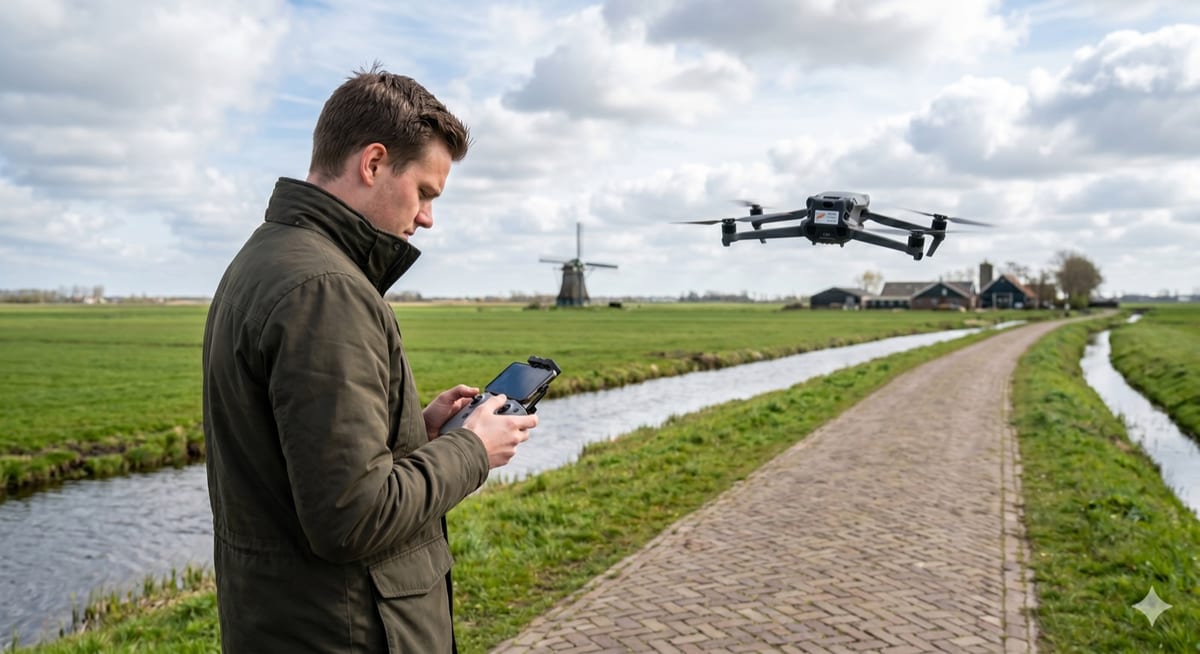
The Netherlands, with its iconic windmills, vibrant tulip fields, and intricate canal systems, is a photographer's paradise. Capturing this unique landscape from the air can produce absolutely breathtaking results. However, before you launch a drone into the Dutch skies, it's crucial to understand the rules. The regulations can seem complex, but they're there to ensure safety for everyone. At FotoRent Amsterdam, we not only provide top-tier equipment but also want to empower you with the knowledge to fly responsibly and legally. This comprehensive guide will break down the essential drone rental rules in the Netherlands for 2026, ensuring your aerial photography adventure is both stunning and compliant.
Understanding the EU Drone Regulations (EASA) in 2026
As a member of the European Union, the Netherlands adheres to the regulations set by the European Union Aviation Safety Agency (EASA). This unified framework simplifies rules across member states, which is great news for travelers. As of 2026, these regulations categorize drone operations based on risk: Open, Specific, and Certified. For most photographers, videographers, and hobbyists renting a drone, your flights will fall under the 'Open' category. This category is for low-risk operations and has its own subcategories—A1, A2, and A3—which depend on the drone's weight and where you intend to fly. These subcategories are linked to the drone's C-class identification label (C0, C1, C2, C3, C4). For example, a lightweight drone under 250g (C0 class) can be flown in the A1 subcategory, which allows flying closer to people, while a heavier drone might be restricted to the A3 subcategory, requiring you to fly far from people and urban areas. The most important takeaway is that almost every drone flight requires the pilot to be prepared. This means understanding your drone's class, the corresponding operational rules, and having the necessary credentials before you even think about taking off.
Your Pilot License and Operator ID: A Must-Have
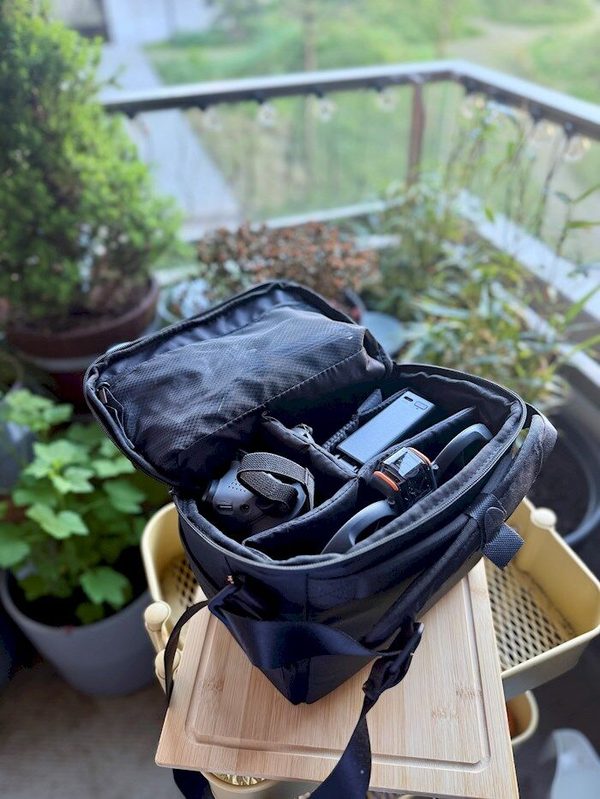
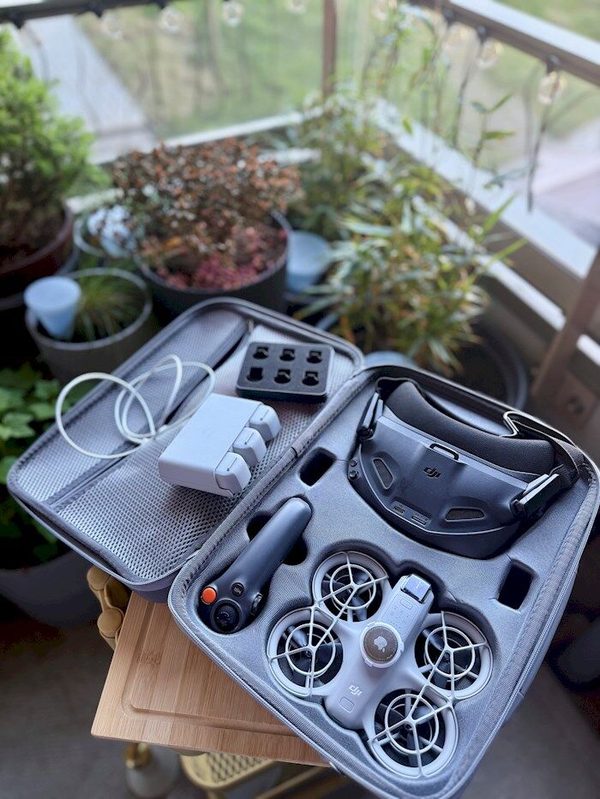
Before you can legally fly most drones in the Netherlands, you need two key things: an operator registration number and a pilot certificate. Let's clarify the difference. The 'operator' is the person or entity that owns or rents the drone; their registration number (Operator ID) must be visibly affixed to the drone itself. The 'pilot' is the person actually flying the drone. You can register as an operator via the RDW (the Dutch Vehicle Authority). Once registered, you’ll receive a unique ID to put on any drone you fly. For the pilot certificate, most flyers will need the basic A1/A3 license. This is obtained by completing a free online training course and passing a multiple-choice test, also through the RDW. It covers essential knowledge about airspace, safety, and regulations. For those wanting to fly slightly heavier drones (C2 class) closer to people, a more advanced A2 license is required, which involves an additional theoretical exam. When you rent a drone from us, you are the operator for the duration of the rental, so you must have your own RDW Operator ID to place on the aircraft. For beginners wanting to start simple, a drone like the ultra-light <a href="/equipment/dji-neo-plus-goggles-3n-fpv-kit">DJI NEO + Goggles 3N FPV KIT</a>, which you can rent from just €15.00/day, falls under the 250g category, significantly simplifying the licensing requirements.
Mapping Your Flight: Dutch No-Fly Zones
Knowing the rules is one thing; knowing *where* you can apply them is another. The Netherlands is a densely populated country with some of the busiest airspace in Europe. Consequently, there are many no-fly zones you must respect. The single most important tool for any drone pilot here is the official Dutch drone map, accessible via the 'GoDrone' app or website from Air Traffic Control the Netherlands (LVNL). You must check this map before every single flight. Common no-fly zones include areas around airports and airfields (this covers a huge part of the Randstad area due to Schiphol Airport), military bases, industrial sites, ports, government buildings, and prisons. Flying over crowds of people is also prohibited. A frequent question we get is, 'Can I fly a drone in Amsterdam legally?' The answer is almost always no for the city center. Central Amsterdam is a strict no-fly zone due to its proximity to Schiphol's flight paths, a major heliport at the Amsterdam UMC, and its high population density. Attempting to fly here is a recipe for a hefty fine. Instead, use the GoDrone map to find beautiful, legal flying spots in the vast Dutch countryside, along the coast, or in designated green zones outside the main urban centers.
Key Considerations: Privacy, Insurance, and FPV Flying
Beyond licensing and location, there are other critical rules to follow. Privacy is paramount. Under GDPR (known as AVG in the Netherlands), you cannot film or photograph people where they have a reasonable expectation of privacy without their explicit consent. This means being extremely careful when flying over residential areas, gardens, or public spaces. Always prioritize respecting the privacy of others. Next is insurance. Third-party liability insurance is mandatory for any drone weighing more than 250 grams. Many standard family liability policies ('aansprakelijkheidsverzekering') do not cover drone-related damages, so you must check your policy or take out a separate, specialized drone insurance plan. Finally, let's talk about First-Person View (FPV) flying. FPV offers an incredibly immersive flying experience, but it comes with a strict rule: you cannot fly FPV alone. EASA regulations state that a pilot flying via goggles must be accompanied by a 'spotter' standing next to them. This spotter must maintain direct, unaided visual line of sight with the drone at all times and be able to communicate with the pilot instantly to warn of any potential hazards. This makes FPV flying a team activity. For an unforgettable cinematic FPV experience, renting a professional kit like the <a href="/equipment/dji-avata-2-plus-goggles-2-fpv-kit">DJI Avata 2 + Goggles 2 FPV KIT</a> (from €25.00/day) is a fantastic choice, but always remember to bring a friend to act as your legal spotter.
Flying a drone in the Netherlands opens up incredible creative possibilities, but doing so safely and legally is key. By getting registered and licensed, meticulously checking the GoDrone map before each flight, respecting privacy, and being properly insured, you can focus on what matters most: capturing amazing aerial content. Feeling prepared and excited to take to the skies? At FotoRent Amsterdam, located conveniently in Diemen, we have the latest drones ready for your next project. From the nimble <a href="/equipment/dji-neo-plus-goggles-3n-fpv-kit">DJI NEO + Goggles 3N FPV KIT</a> starting at just €15.00/day to more advanced cinematic models, we provide the professional gear to bring your vision to life. Visit us or browse our full rental catalog online to start your aerial adventure today!